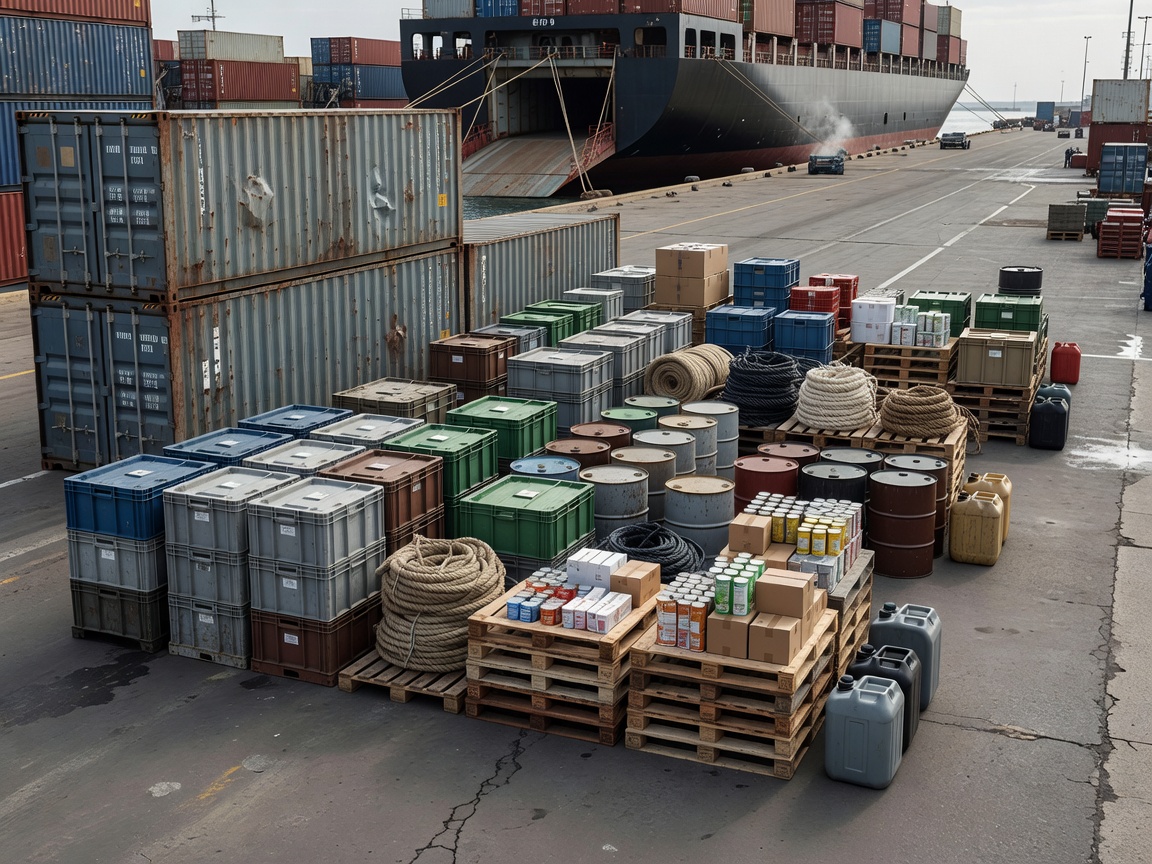
Build categories before quantities
Food and beverage supplies may be the most visible part of provisioning, but they are only one category. A complete list can include cleaning supplies, cabin items, consumables, maintenance materials, replacement items and equipment-specific stock. Separating categories makes it easier to see what is urgent, what is reusable and what needs special storage.
Commercial vessels may need to account for crew rotation, operating duration, service routines and documented purchasing processes. Recreational vessels may have more variable guest requirements, shorter visits or a preference for flexible shopping. Neither approach is automatically better; the useful method is the one that reflects how the vessel is actually used.
Storage and delivery timing
Storage planning should happen before ordering. Consider chilled, dry, clean, secure and maintenance-related areas separately. Check available space, packaging, access and whether items can remain aboard between visits. Avoid adding stock simply because it seems convenient; excess items can obstruct work areas or become difficult to identify.
Delivery timing should connect to access and departure plans. A delivery may need a receiving contact, a protected place and a short inspection when it arrives. Record substitutions, missing items and items that were accepted for later review. Supplier choice and availability change by location, so this guide does not recommend unverified providers or prices.
Inventory lists that stay useful
A practical inventory includes item description, category, quantity on hand, quantity wanted, storage location, priority and status. Crew and guest considerations may include dietary needs, accessibility, cleaning preferences and the length of the planned stay. Seasonal requirements can also change: colder months may call for different cleaning routines, while busy periods may require earlier ordering and more deliberate storage.
Checklist
- Separate food, cabin, cleaning and maintenance categories.
- Check current stock before creating a purchase list.
- Note storage limits and delivery conditions.
- Mark items needed before departure.
- Record substitutions, shortages and received quantities.
- Review seasonal, crew and guest requirements.
Good for
This guide suits vessel owners, crew, managers and support coordinators who want fewer last-minute supply decisions and a clearer handover between ordering and receiving.
What to know
Provisioning effort depends on vessel size, crew or guest numbers, duration, storage, location, materials and delivery timing. An organized list improves visibility but cannot guarantee availability, freshness or a particular cost.