Three kinds of support
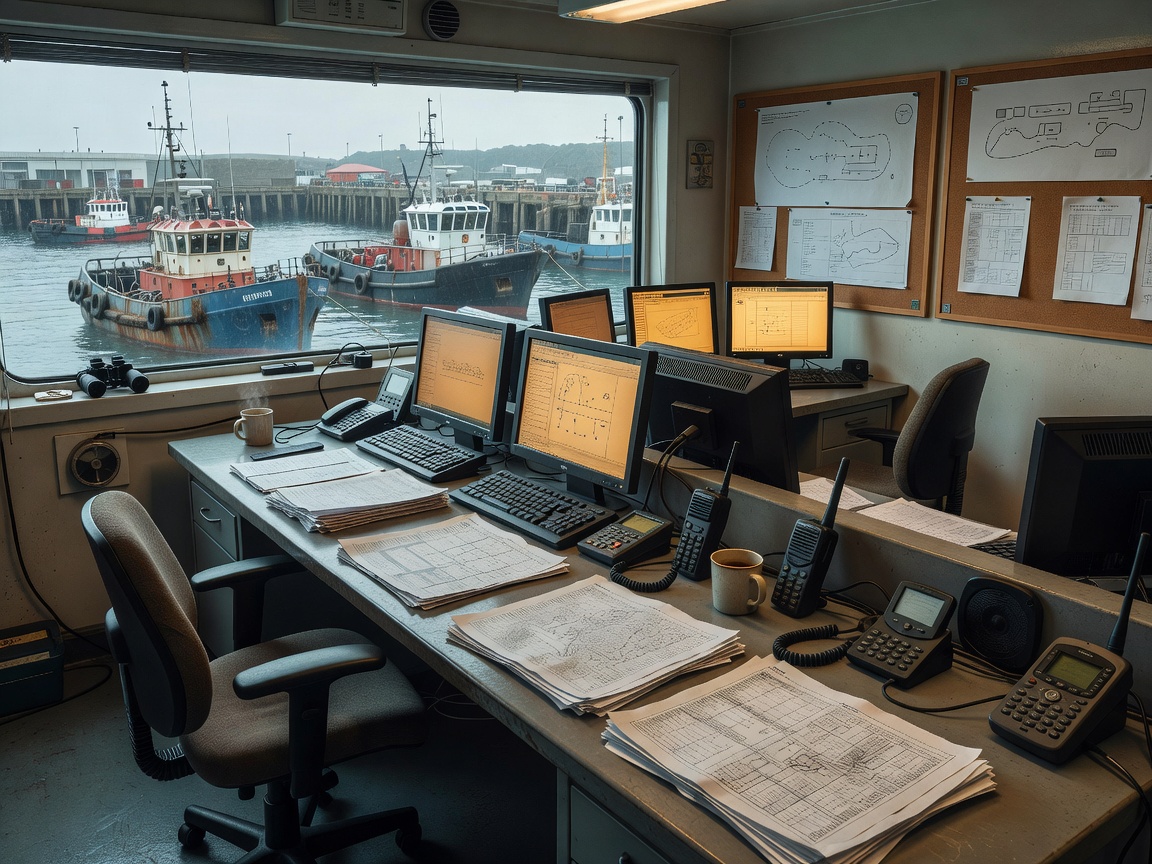
Technical support concerns specialist knowledge, inspection and work on equipment or systems. Logistical support concerns movement, access, supplies and physical arrangements. Operational coordination connects people, timing and information so that each activity has a clear place in the wider plan.
These areas overlap, but they are not interchangeable. A coordinator can arrange a service appointment without diagnosing the underlying issue. They can track a delivery without approving its technical suitability. Clear boundaries help everyone understand what has been requested and what still requires professional judgment.
Daily coordination
Daily operational work may include checking appointments, updating task lists, confirming supplier arrival, organizing documents and communicating changes to crew or management. A useful update answers four questions: what changed, what is affected, who needs to know and what decision is required.
Maintenance tracking should show open tasks, priority, assigned provider, next action and supporting notes. Turnaround preparation can bring together cleaning, stores, access, inspections and departure-related documents. It is worth identifying dependencies early rather than treating every task as equally urgent.
Pre-departure and seasonal transitions
Pre-departure organization is a review of open items, planned work, supplies, access arrangements and communications. It is not a declaration that a vessel is ready, safe or seaworthy. Those judgments belong to the responsible owner, operator and qualified professionals.
Seasonal transitions may change the support rhythm. A vessel moving into storage, increased activity or a different crew pattern may need revised lists, contact details and scheduling assumptions. Keep the change record simple enough that people will actually use it.
Operational checklist
- Maintain one current list of open tasks and owners.
- Confirm service appointments and access requirements.
- Separate technical decisions from coordination actions.
- Keep supplier notes and documents together.
- Share concise updates when timing changes.
- Review outstanding items before a planned turnaround.
Good for
Operational support is useful for owners with several moving parts, commercial teams managing recurring work and recreational vessel users preparing a concentrated visit.
What to know
Support frequency, scope, location, access and the number of suppliers all influence the effort. Good coordination creates a clearer working picture, but information may change and no general service can promise a particular operational result.