Preventive maintenance in context
Preventive maintenance means paying attention before a small concern becomes a larger interruption. The exact program depends on vessel type, use, environment, manufacturer information and the judgment of appropriately qualified professionals. A support desk can help organize observations and appointments, while technical decisions remain with competent specialists.
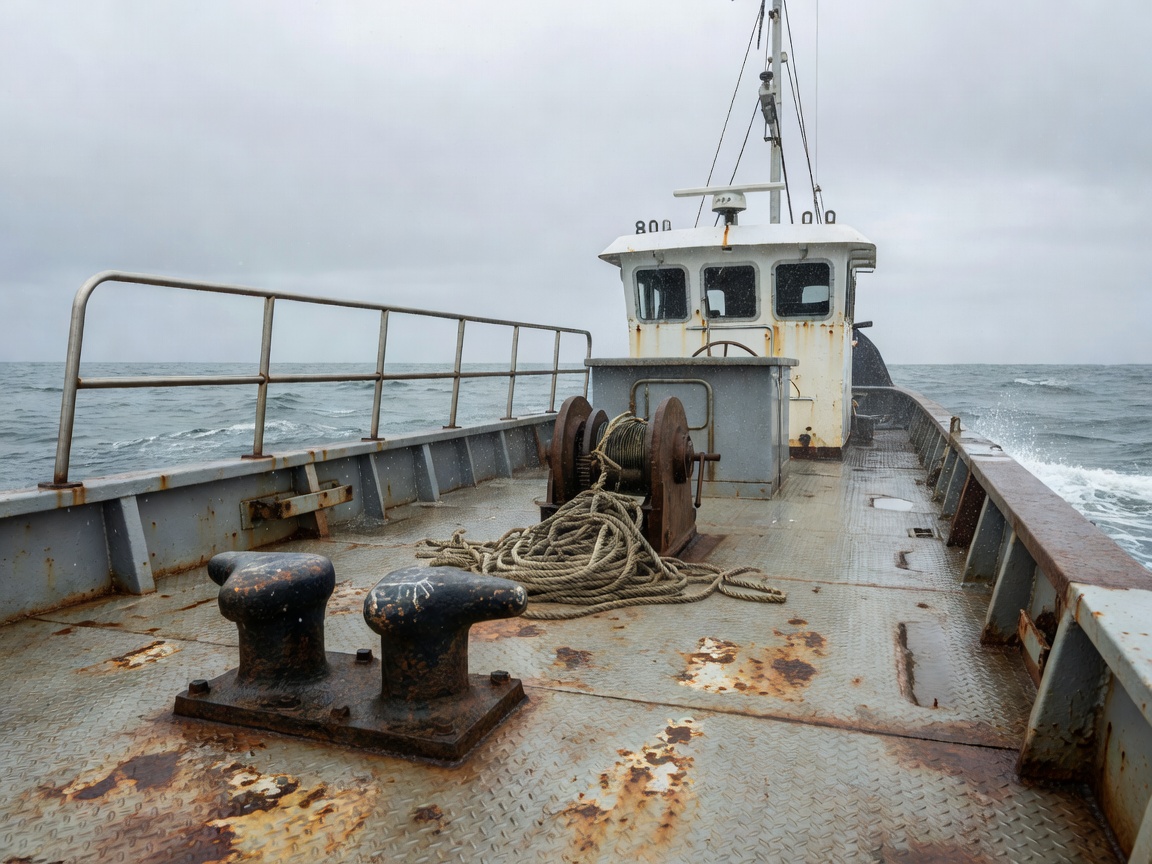
Routine inspections may include exterior condition checks, deck surfaces, rails, fittings, windows, access points and visible signs of wear or corrosion. Interior checks can cover accommodation areas, storage, ventilation, visible leaks, fixtures and general housekeeping. These observations should be recorded with dates and photographs where appropriate, without treating a visual check as a technical diagnosis.
Materials and systems
Corrosion awareness is especially relevant in coastal environments. Salt deposits, trapped moisture, dissimilar materials and damaged finishes can all warrant attention. Cleaning and surface care should follow suitable product guidance and should not disturb coatings or materials unnecessarily. Deck and fixture care benefits from regular observation rather than a last-minute effort before departure.
Electrical-system support and mechanical-system coordination are useful service categories, but they are not invitations to work on high-risk systems without appropriate competence. A coordinator can arrange access, collect descriptions, organize records and communicate with a qualified provider. Fuel, propulsion, high-voltage, structural and other hazardous work should be assessed and performed by suitably qualified professionals.
Records and seasonal preparation
A useful maintenance record notes the date, area, observation, priority, action requested, provider and follow-up status. Seasonal preparation may involve checking what changes with colder weather, extended lay-up, increased use or a planned return to service. Commercial and recreational vessels can have different operating patterns, but both benefit from a clear distinction between routine care and work requiring expert assessment.
Practical checklist
- Review previous notes before beginning a new inspection.
- Separate visible observations from technical conclusions.
- Photograph relevant areas without including private information.
- Prioritize defects that affect access, operation or planned scheduling.
- Use qualified providers for specialist systems and hazardous work.
- Record what was completed, deferred or recommended for review.
Good for
This guide is useful for owners, crew and managers who want a calmer way to organize routine condition checks, service visits, cleaning and maintenance records.
What to know
No general website can confirm that a vessel is safe, certified, compliant or seaworthy. Conditions change, and professional inspection may be necessary. Costs are influenced by vessel size, access, materials, labor, location and scope.