Before the vessel arrives
Dockside logistics begins before the lines are handled. Confirm the expected arrival window, the access point, the person meeting suppliers and the areas that need to remain clear. A delivery that is correct in every other respect can still become difficult if the receiving point, lifting requirement or storage condition has not been discussed.
Supplier coordination works best with a concise brief: item, quantity, delivery window, contact details, handling requirements and what should happen if timing changes. Equipment movement should be planned with regard to size, weight, route, weather and the dock’s own working arrangements. Never assume that a convenient-looking route is available or suitable.
Access, storage and sequencing
Access management may include keys, visitor information, working hours, vehicle access, security arrangements and local instructions. These details vary by location and should be confirmed with the relevant site contact. Storage planning is equally practical. Consumables, tools and replacement items may need protection from moisture, heat, traffic or accidental removal.
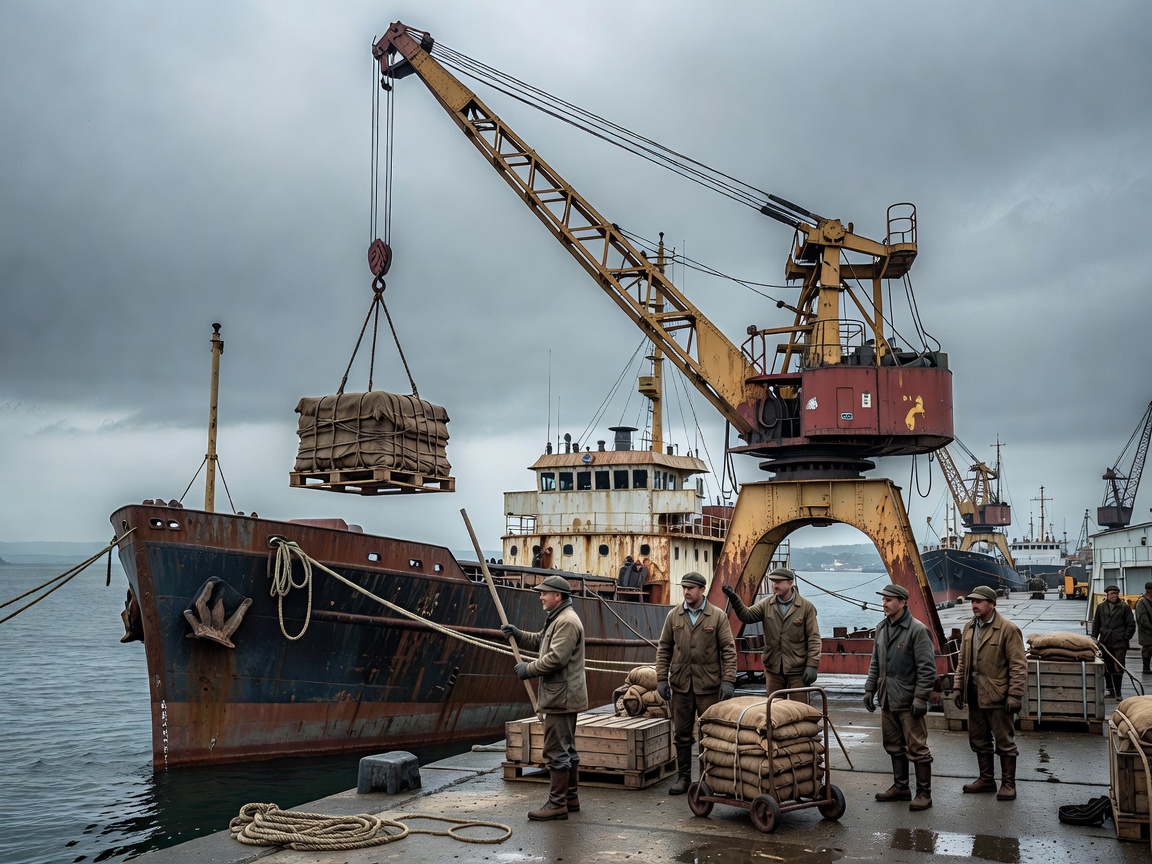
Loading and unloading considerations include the order of deliveries, safe handling by competent people and keeping records of what was received. This guide does not replace site rules, risk assessments or professional lifting advice. Where contractors are involved, identify the responsible contact and agree how changes will be communicated.
Timing dependencies
One late item can affect several other tasks. A specialist appointment may depend on access; a cleaning visit may depend on maintenance finishing; a departure preparation may depend on stores being checked. A simple sequence helps make those dependencies visible. It also gives the vessel, dock and suppliers a common language when plans change.
Checklist
- Confirm arrival assumptions and the receiving contact.
- Share delivery descriptions, quantities and handling notes.
- Check access, storage and working-area requirements.
- Identify contractors and communication responsibilities.
- Record received items and unresolved discrepancies.
- Update the sequence when timing or scope changes.
Good for
This is useful for owners arranging deliveries, commercial operators coordinating several contractors and recreational crews preparing a busy dockside visit.
What to know
There are no universal port, dock or marina procedures. Location, access conditions, vessel size, labor requirements and scheduling complexity affect the work. Good coordination improves visibility, but it cannot remove weather, availability or site-specific constraints.